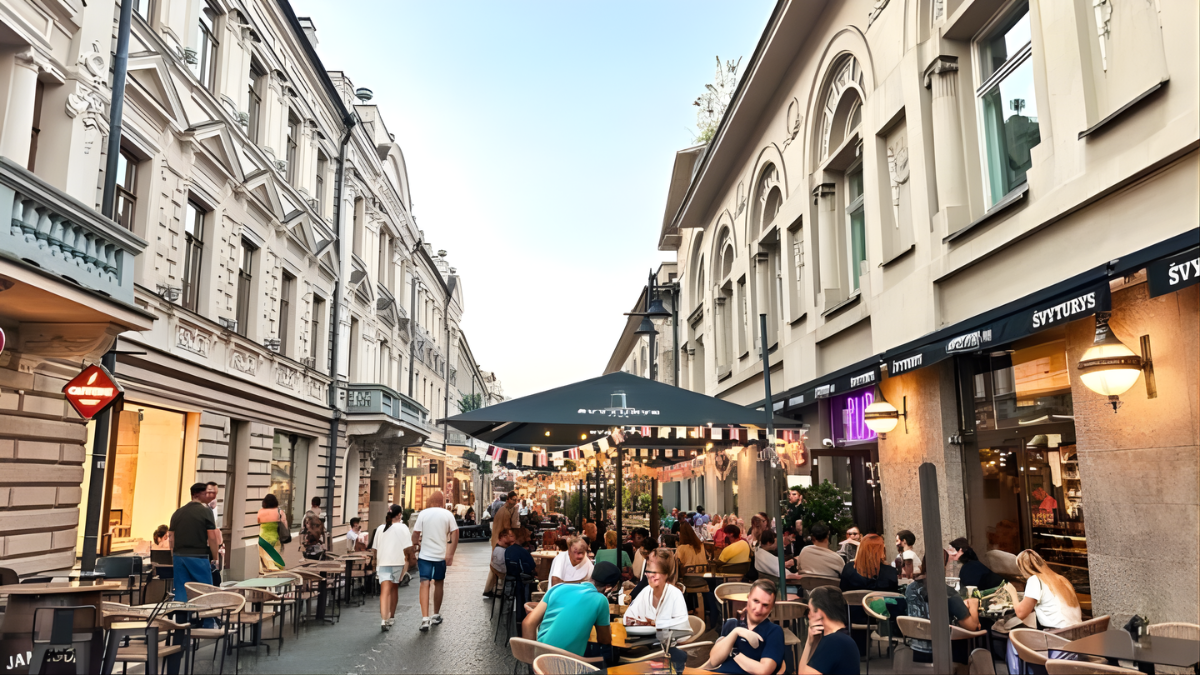
Short city breaks are the perfect escape when time is limited but the need to unwind is strong. With just a weekend or a few days, travellers can explore culture, enjoy great food, and return home refreshed without the stress of long itineraries. The secret to a successful city break is balance. Knowing what to prioritise, where to eat, and when to slow down makes even the shortest trip feel rewarding.
Rather than trying to see everything, a well-planned city break focuses on experiences that showcase the city’s personality while leaving room to relax and enjoy the moment.
Plan With Purpose, Not Pressure
When time is short, planning becomes more important than packing every hour with activity. Start by identifying a few key experiences you genuinely want to enjoy rather than building an overstuffed schedule. Group attractions that are close together so you spend less time commuting and more time exploring.
Advance planning for popular attractions or restaurants can save valuable time, but it is just as important to keep parts of the day unplanned. Some of the best city break moments come from wandering streets, discovering cafés, or stumbling across local events.
What to Do: Focus on Experiences That Define the City
Every city has a handful of experiences that define its character. These might include historic districts, waterfront areas, iconic architecture, or creative neighbourhoods. Mornings are ideal for sightseeing, as attractions are quieter and energy levels are higher.

Instead of rushing between landmarks, slow down and explore areas where culture naturally unfolds. Walking tours, museums, galleries, and neighbourhood strolls often reveal more about a city than ticking off famous sights. Mixing one or two major attractions with lesser-known spots gives a fuller and more relaxed experience.
Explore Neighbourhoods, Not Just Attractions
Neighbourhoods tell the real story of a city. Spending time outside the main tourist zones allows you to see daily life in action. Residential streets, local parks, and small shopping strips offer insight into how people live, eat, and socialise.
Neighbourhood exploration also reduces travel stress. Many cities are designed around walkable districts, making it easy to spend half a day enjoying shops, cafés, and local landmarks without constantly checking the clock.
Where to Eat: Make Food Part of the Experience
Food is one of the highlights of any city break and often the most memorable part of the trip. Rather than relying solely on restaurants near major attractions, seek out places where locals eat. These are often smaller, more affordable, and richer in character.
Markets are excellent for short stays. They allow travellers to sample multiple dishes in one place while soaking up the atmosphere. Street food, bakeries, and family-run eateries also provide a taste of local culture without the formality of long meals.

For sit-down dining, choosing one special restaurant for the trip can be more satisfying than trying several average ones. Booking ahead ensures you get the experience without wasting time waiting.
Café Culture and Casual Dining
Cafés play a central role in city life and are ideal for both meals and relaxation. Breakfast or brunch at a local café sets the tone for the day, while an afternoon coffee break offers a chance to rest and people-watch.
Casual dining is especially suited to short breaks. It allows flexibility and reduces pressure to stick to rigid meal times, making the trip feel more relaxed and spontaneous.
How to Relax Without Leaving the City
Relaxation does not require a beach or spa resort. Cities offer plenty of opportunities to unwind if you allow time for them. Parks, waterfronts, gardens, and scenic viewpoints provide peaceful spaces to pause between activities.
Afternoons are ideal for slowing down. Sitting in a café, browsing local shops, or enjoying a quiet walk helps prevent travel fatigue. Evening relaxation might include a casual drink, live music, or simply returning early to your accommodation to recharge.

Choose Accommodation That Supports Relaxation
Where you stay can make or break a short city break. Central accommodation reduces travel time and allows easy access to attractions, dining, and transport. Being able to walk back to your room for a rest can significantly improve the overall experience.
If staying centrally is not possible, choose accommodation near reliable transport links. Easy access helps maintain flexibility and reduces the stress of navigating unfamiliar routes.
Use the City Like a Local
Short breaks are more enjoyable when travellers adopt a local mindset. Use public transport, walk whenever possible, and follow local routines rather than tourist schedules. Early mornings and late afternoons often reveal a calmer, more authentic side of the city.
Talking to locals, even briefly, can lead to unexpected recommendations. Staff at cafés, shops, or accommodation often know the best places to eat or relax that are not listed in guidebooks.
Avoid the Most Common City Break Mistakes
One of the biggest mistakes travellers make is trying to do too much. Overcrowded schedules leave little time to enjoy the city or recover energy. Another common mistake is spending too much time travelling between distant attractions instead of focusing on a smaller area.

A successful city break values quality over quantity. Fewer experiences enjoyed fully are far more satisfying than many rushed ones.
Why Short City Breaks Feel So Refreshing
Short city breaks work because they offer a change of pace without the exhaustion of long travel. The combination of culture, food, walking, and relaxation stimulates the mind while remaining manageable.
When planned well, even two or three days can feel like a meaningful escape. The key is intention. Knowing when to explore and when to slow down transforms a short trip into a restorative experience.
Conclusion
Short city breaks are about smart choices, not packed itineraries. By focusing on defining experiences, enjoying local food, exploring neighbourhoods, and building in time to relax, travellers can make the most of limited time away. A balanced approach ensures that a short trip delivers both excitement and rest, leaving you refreshed and inspired rather than exhausted.
Disclaimer: This article is for general travel guidance only. Experiences, availability, and suitability may vary by destination and personal preference.