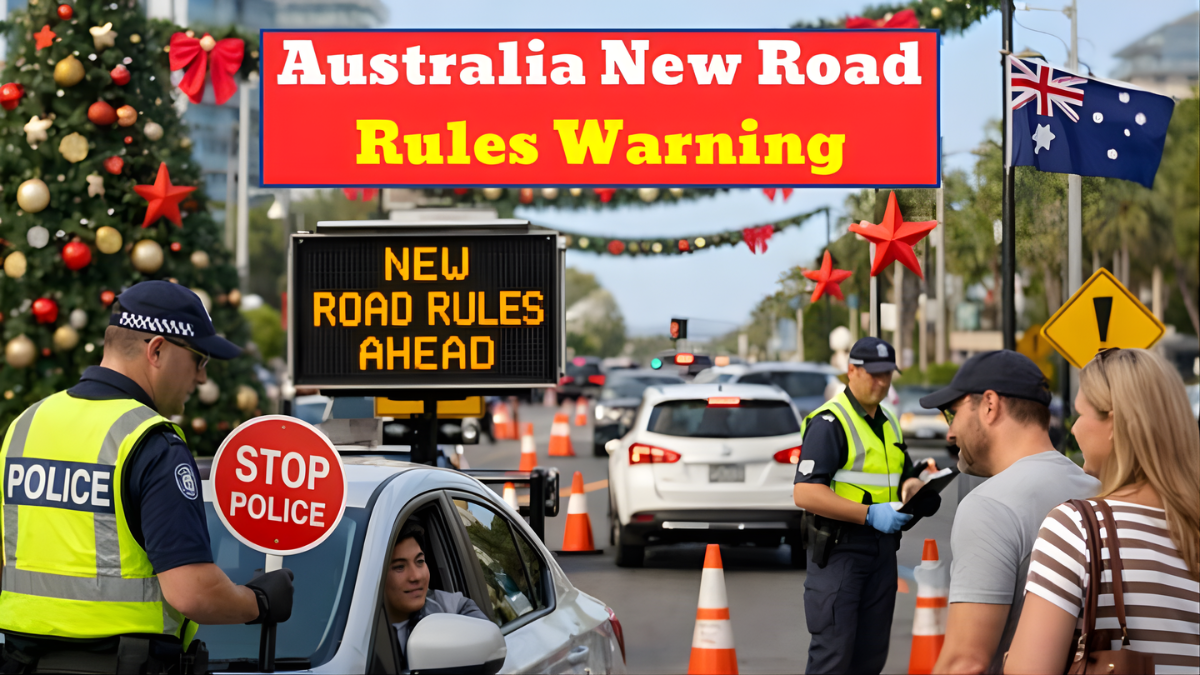
Australia is preparing for one of its most significant road safety overhauls in years. From early 2026, a new wave of road rule changes will begin rolling out across states and territories, and authorities are already warning drivers to take notice. These reforms are not minor adjustments. They are designed to change everyday driving behaviour, increase accountability, and reduce the nation’s stubbornly high road toll. For motorists, failing to understand what is coming could mean heavier fines, more demerit points, and a higher risk of losing a licence.
Why Australia Is Introducing New Road Rules in 2026
Governments across Australia have acknowledged that current measures are not enough to curb serious crashes and fatalities. Despite years of campaigns, enforcement blitzes, and education programs, road deaths remain a major public safety issue. The 2026 road rule changes are part of broader long-term road safety strategies that focus on prevention, technology-driven enforcement, and stricter penalties for dangerous behaviour.
Officials say the goal is not simply to punish drivers but to create a culture where unsafe driving is harder to ignore and easier to detect. This explains why many of the upcoming changes rely heavily on automated systems and expanded enforcement powers rather than traditional policing alone.
Lower Speed Limits and Smarter Speed Management
One of the most talked-about aspects of the 2026 reforms is the move toward lower speed limits in specific areas. Urban zones with high pedestrian activity, school areas, and accident-prone stretches of road are expected to see revised speed thresholds. Authorities argue that even small reductions in speed can dramatically lower the severity of injuries in a crash.

Alongside lower limits, speed enforcement will become more precise. Drivers may notice speed cameras in new locations and increased monitoring on roads that previously relied on sporadic enforcement. This combination means drivers will need to be more attentive, especially in areas where speed limits change frequently.
Expansion of AI-Powered Camera Enforcement
Technology sits at the heart of the new road rules. In 2026, more AI-enabled cameras will be activated to monitor driver behaviour in real time. These systems are capable of detecting mobile phone use, seatbelt non-compliance, and other high-risk actions without a police officer being present.
For drivers, this marks a major shift. Behaviours that some motorists previously believed were unlikely to be caught are now far more visible to authorities. The message is clear: if a rule exists, technology is increasingly capable of enforcing it consistently.
Stricter Penalties and Higher Fines
With stronger enforcement comes tougher penalties. Several states are expected to increase fines for common offences such as speeding, distracted driving, and failing to wear a seatbelt. In addition to higher financial penalties, demerit point allocations are also under review.

For many drivers, the accumulation of demerit points poses a greater risk than fines alone. Losing a licence can affect employment, family responsibilities, and insurance costs. The 2026 changes place greater emphasis on deterrence by making repeated offences far more costly in the long run.
Double Demerit Periods and Holiday Crackdowns
Holiday travel has long been a focus of road safety enforcement, and this will continue in 2026. Double demerit periods are expected to remain a key feature during peak travel times such as Christmas, New Year, and long weekends. Under these rules, drivers caught committing offences can lose twice the usual number of points.
Authorities argue that these periods are necessary because traffic volumes and risk levels increase dramatically during holidays. Drivers planning road trips will need to be especially cautious, as a single mistake could have lasting consequences.
State-Based Differences Drivers Must Watch For
While the overall direction of the reforms is national, road rules in Australia are still managed at the state and territory level. This means the exact details of the 2026 changes may vary depending on where you live or travel. Speed limit adjustments, fine amounts, and enforcement timelines can differ between jurisdictions.

Drivers who frequently cross state borders, especially commercial drivers and holiday travellers, will need to stay informed about local variations. Relying on old assumptions could lead to unexpected penalties.
How These Changes Will Affect Everyday Drivers
For the average motorist, the 2026 road rule updates mean driving habits will need to become more disciplined. Casual phone checks, minor speeding, or ignoring seatbelt rules are no longer low-risk behaviours. The margin for error is shrinking as enforcement becomes more automated and consistent.
Insurance implications are another concern. Increased fines and licence suspensions can influence insurance premiums, particularly for repeat offenders. Over time, safer drivers may benefit, while risky behaviour becomes increasingly expensive.
What Drivers Should Do Now to Prepare
Preparation is the best defence against penalties. Drivers should start by familiarising themselves with upcoming changes announced by their state transport authorities. Understanding where speed limits are changing, how enforcement technology works, and when double demerit periods apply can prevent costly mistakes.

Regularly reviewing driving habits is equally important. Simple steps such as using hands-free technology correctly, setting cruise control in variable speed zones, and planning trips to avoid rushing can significantly reduce risk under the new rules.
The Bigger Picture Behind the 2026 Reforms
The 2026 road rule changes reflect a broader shift in how road safety is managed. Rather than relying solely on education and occasional enforcement, governments are moving toward constant monitoring and immediate consequences. Supporters argue this approach saves lives, while critics worry about over-policing. Regardless of opinion, the reality is that these rules are coming, and compliance will be essential.
Conclusion
Australia’s 2026 road rule changes signal a decisive move toward stricter enforcement, smarter technology, and tougher penalties. For drivers, the message is unmistakable: old habits that once went unnoticed are now more likely to be caught. By understanding the changes early and adapting driving behaviour now, motorists can avoid fines, protect their licences, and contribute to safer roads for everyone.
Disclaimer: Road rules and penalties may vary by state and are subject to change. Drivers should check official state transport updates for the most accurate information.