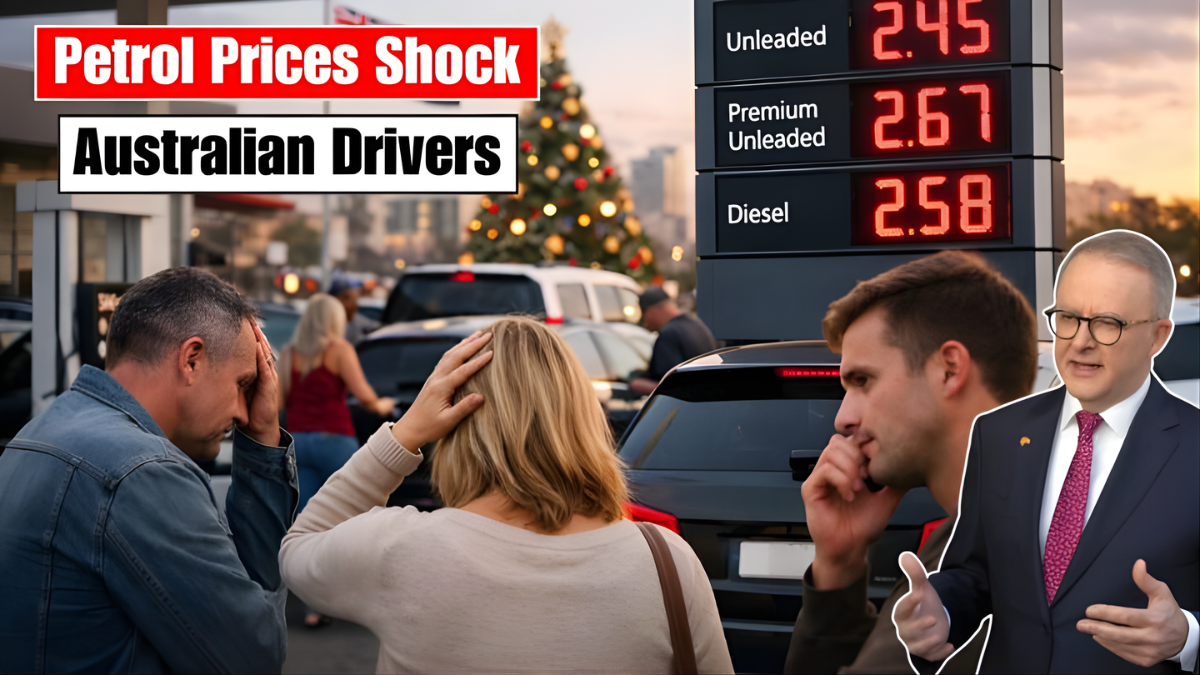
Australian motorists are heading into the summer holiday season facing another round of fuel price pressure. Fresh forecasts indicate that petrol prices across Australia are expected to rise in December 2025, with many drivers likely to see prices at or above the $2 mark again. For households already managing higher living costs, this increase could place additional strain on weekly budgets, especially during peak Christmas and New Year travel.
In Australia, fuel prices are influenced by a mix of global and local factors, and December is historically one of the most volatile months for motorists. Understanding what is driving this increase and how high prices could go is essential for planning ahead.
How Much Will Petrol Cost in December 2025
Industry analysts and fuel market trackers suggest that average unleaded petrol prices could climb to between $2.05 and $2.20 per litre in many major Australian cities during December 2025. In some high-demand locations or during peak price cycles, prices could briefly exceed this range.
Premium fuels are expected to cost even more, with higher-octane options potentially reaching $2.25 to $2.35 per litre, depending on local competition and supply conditions. Diesel prices are also expected to remain elevated, particularly in regional areas.

Current Petrol Price Trends Heading Into December
In late 2025, average petrol prices across Australia have been hovering around the high $1.70 to low $1.80 per litre range. While this may appear manageable compared to previous price spikes, the December increase represents a sharp jump driven by seasonal and international factors.
Price cycles in major cities typically involve rapid increases followed by gradual declines. December often aligns with the upward phase of these cycles, making it one of the most expensive times of year to refuel.
Why Petrol Prices Are Rising Again
Several key factors are combining to push fuel prices higher as December approaches. Global oil markets remain sensitive to supply disruptions and production decisions, which directly influence the cost of refined petrol imported into Australia.
Exchange rate movements also play a major role. A weaker Australian dollar increases the cost of importing fuel, which flows through to retail prices. Refining and wholesale costs have also risen, partly due to maintenance schedules and tighter supply in international markets.
Seasonal demand is another major driver. December is one of the busiest travel periods of the year, with holiday road trips, family travel, and increased freight movement all contributing to higher fuel consumption.
City vs Regional Petrol Prices
Petrol prices are rarely uniform across the country. Major cities often experience sharper price spikes due to price cycling, while regional areas may face consistently higher base prices due to transport and distribution costs.
In December 2025, regional motorists may pay slightly less than peak city prices at times, but in many cases regional prices are expected to sit between $1.95 and $2.10 per litre. Limited competition in some areas can reduce the opportunity for price relief.
What This Means for Households and Commuters
Rising petrol prices have a direct impact on household budgets. Even a 20-cent increase per litre can add significant monthly costs for commuters who rely on daily driving. Families planning long-distance travel during the holidays may face hundreds of dollars in additional fuel expenses.

Higher fuel prices also affect the broader economy. Transport and delivery costs increase, which can eventually push up prices for groceries, goods, and services, compounding cost-of-living pressures.
Key Petrol Price Expectations for December 2025
• Average petrol prices likely to reach $2.05 to $2.20 per litre in major cities
• Premium fuels may exceed $2.30 per litre during peak cycles
• Regional prices expected to remain close to city levels
• December travel demand will intensify price pressure
How Petrol Price Cycles Work
Australian petrol prices typically follow predictable cycles, especially in major cities. Prices rise sharply over a short period, then slowly fall over several weeks. December often coincides with the steep rise phase, leaving drivers paying top prices during the holidays.
Understanding these cycles can help motorists time their refuelling more effectively. Filling up before prices peak or during brief dips can result in noticeable savings.

Tips for Managing Higher Fuel Costs
While motorists cannot control global oil markets, there are ways to reduce the impact of higher petrol prices. Using fuel price monitoring apps, planning refuelling around price cycles, and avoiding last-minute holiday travel where possible can help limit costs.
Simple habits like maintaining proper tyre pressure, reducing unnecessary trips, and combining errands can also improve fuel efficiency and lower overall spending.
What Could Happen After December
Looking ahead to early 2026, fuel prices may ease if global supply stabilises, the Australian dollar strengthens, or seasonal demand falls. However, petrol markets remain highly sensitive to geopolitical developments, economic data, and weather-related disruptions.
While some relief is possible after the holiday period, motorists should remain prepared for ongoing volatility at the pump.

Conclusion
Petrol prices in Australia are set to rise sharply in December 2025, with many drivers likely to pay over $2 per litre during the peak holiday period. Driven by global oil prices, exchange rate pressures, and seasonal demand, this increase will affect households, commuters, and businesses alike. By understanding price cycles and planning refuelling carefully, Australians can reduce the financial impact, but a more expensive summer at the pump now looks unavoidable.
Disclaimer: This article is for general informational purposes only and does not constitute financial or investment advice.