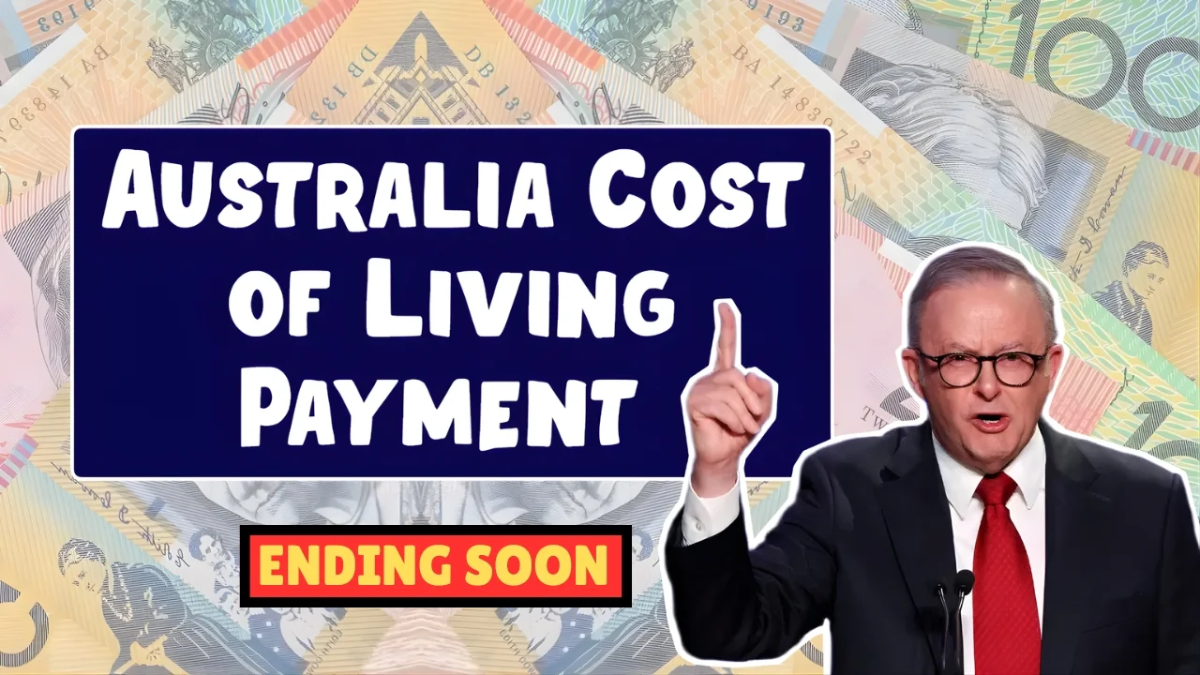
Australia’s cost-of-living support framework is entering a new phase, with the government confirming that several temporary cost-of-living payments and relief measures are set to end soon. As the country moves away from short-term assistance introduced during periods of high inflation, many households are now preparing for reduced direct support heading into 2026. The shift has sparked concern among low- and middle-income Australians who have relied on these payments to manage rising everyday expenses.
While longer-term measures such as tax cuts and indexed welfare payments will continue, the winding down of temporary relief marks a significant change in how cost-of-living pressures are addressed.
Which Cost-of-Living Payments Are Ending
Over the past few years, the government introduced a range of one-off and temporary payments aimed at easing pressure from rising energy bills, rent, groceries, and essential services. These measures were never designed to be permanent and are now approaching their scheduled end dates.
Several household relief programs, including targeted energy rebates and supplementary cost-of-living payments, are expected to conclude by the end of 2025. In many cases, these payments were delivered automatically to eligible households, providing direct reductions to bills or lump-sum assistance during peak inflation periods.
As these supports expire, households that benefited from them will no longer see those additional credits or payments applied.
Why the Government Is Phasing Out Temporary Support
The decision to end cost-of-living payments reflects a broader policy shift by the Australian Government. Officials have indicated that emergency-style assistance is being replaced with structural, long-term support measures rather than repeated one-off payments.
The government argues that temporary payments are costly and less predictable, while longer-term tools such as tax reform, welfare indexation, and targeted social policy provide more sustainable assistance. This approach also aligns with efforts to stabilise public finances following years of extraordinary spending.
Energy Bill Relief Nearing Its End
One of the most noticeable changes for households will be the conclusion of energy bill relief programs. These initiatives helped offset electricity costs by applying rebates or credits directly to household energy bills.
For many families, energy rebates provided tangible savings during periods of sharp price increases. With these measures set to expire, households may see higher out-of-pocket energy costs once existing credits are exhausted.
Energy providers and consumer groups have urged households to review usage, explore available concessions, and plan ahead for the removal of this support.

What Happens to Welfare and Centrelink Payments
While cost-of-living payments are ending, ongoing welfare payments are not being cut. Regular income support payments administered through Centrelink will continue and remain subject to indexation.
Indexation ensures that payments such as Youth Allowance, Austudy, and other benefits increase in line with inflation. These adjustments are separate from temporary cost-of-living payments and will continue into 2026.
However, for some households, indexed increases may not fully replace the value of the one-off or temporary assistance that is ending.
Who Is Most Affected by the Changes
The end of cost-of-living payments is expected to have the greatest impact on low-income households, pensioners, students, and families who rely heavily on supplementary support to manage essential expenses.
Households that received energy rebates or special payments may experience a noticeable gap in their budgets once those supports are removed. Renters and families facing high housing and utility costs are particularly vulnerable to these changes.

Advocacy groups have warned that while indexation helps, it may not fully offset the combined impact of rising costs and the withdrawal of targeted relief.
How This Shift Fits Into Broader Economic Policy
The phase-out of cost-of-living payments comes alongside other policy changes designed to provide longer-term financial relief. These include personal income tax adjustments, changes to welfare thresholds, and broader reforms aimed at improving workforce participation and productivity.
The government has positioned these measures as a more stable way to support households over time, rather than relying on repeated emergency payments. Critics, however, argue that the transition period may leave some Australians financially exposed.
What Households Can Do Now
With cost-of-living payments ending soon, households are encouraged to review their finances early. This includes checking eligibility for ongoing concessions, updating Centrelink details, and ensuring income estimates are accurate to avoid overpayments or shortfalls.
Energy providers, councils, and community organisations may still offer concessions or hardship programs that can help ease the transition. Seeking advice and planning ahead can help reduce the impact of losing temporary support.
What to Expect in 2026
As Australia enters 2026, the support landscape will look different. Temporary cost-of-living payments will largely be gone, replaced by indexed welfare increases and tax-based relief. For some households, this shift may feel manageable, while for others it may create new financial pressures.
The effectiveness of this transition will depend on how well longer-term measures keep pace with living costs and whether additional targeted support is introduced if economic conditions change.
Conclusion
Australia’s government cost-of-living payments are set to end soon, marking a clear shift away from temporary relief toward longer-term support measures. While welfare indexation and tax changes will continue, many households will need to adjust as supplementary payments and energy rebates are phased out. Planning ahead, understanding what support remains available, and staying informed will be essential as the financial support system evolves into 2026.
Disclaimer: This article is for general informational purposes only. Government policies and payment arrangements may change. Readers should check official sources for the most up-to-date information.